The Australian Eating Disorder Research and Translation Centre annual Think Tank 2026 will be hosted in Melbourne, Victoria at Encore St Kilda on Thursday 12 and Friday 13 November 2026.
Join us and be inspired by cutting edge science, challenge conventional thinking and learn novel methodologies in the field of eating disorders.

Keynote
Joanna Steinglass, MD is a Professor of Psychiatry and Co-Director of the Eating Disorders Center for Research and Treatment at Columbia University. Dr. Steinglass graduated from Amherst College and Harvard Medical School. She completed her psychiatry training at Columbia University and the New York State Psychiatric Institute and joined the Eating Disorders team in 2003. Dr. Steinglass also serves as Training Director of the Eating Disorders T32 Research Fellowship.
Dr. Steinglass' research examines the neural and behavioral mechanisms of illness in anorexia nervosa paired with the development of mechanism-based treatments. She conducts interdisciplinary research that uses tools from cognitive and computational neuroscience to apply the latest understanding of the healthy brain to research on anorexia nervosa. She applies these insights to the development of behavioral, neuromodulatory, and pharmacological interventions for patients with eating disorders.
Keynote
Joanna Steinglass, MD is a Professor of Psychiatry and Co-Director of the Eating Disorders Center for Research and Treatment at Columbia University. Dr. Steinglass graduated from Amherst College and Harvard Medical School. She completed her psychiatry training at Columbia University and the New York State Psychiatric Institute and joined the Eating Disorders team in 2003. Dr. Steinglass also serves as Training Director of the Eating Disorders T32 Research Fellowship.
Dr. Steinglass' research examines the neural and behavioral mechanisms of illness in anorexia nervosa paired with the development of mechanism-based treatments. She conducts interdisciplinary research that uses tools from cognitive and computational neuroscience to apply the latest understanding of the healthy brain to research on anorexia nervosa. She applies these insights to the development of behavioral, neuromodulatory, and pharmacological interventions for patients with eating disorders.
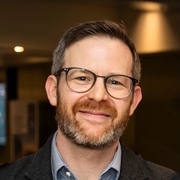
Dr Peter Koval is an Associate Professor in Psychology and co-director of the Functions of Emotion in Everyday Life (FEEL) Lab. His research interests lie at the intersection of social, personality, and clinical psychology with a focus on the dynamics of emotional processes in daily life, including how people experience and regulate their emotions in response to everyday events, and how these processes relate to well-being and psychological functioning.
Dr Koval's research has been published in leading generalist (e.g., PNAS, Psychological Science) and specialist journals (e.g., Emotion, Journal of Personality and Social Psychology). He leads the development of SEMA3 (https://sema3.com/), a research platform for collecting intensive longitudinal data with smartphones, used by over 1,000 researchers at leading institutions around the world. He is also a co-developer of EMOTE (https://emotedatabase.com/), a large-scale, searchable repository of intensive longitudinal data on emotion experience in daily life.
Dr Peter Koval is an Associate Professor in Psychology and co-director of the Functions of Emotion in Everyday Life (FEEL) Lab. His research interests lie at the intersection of social, personality, and clinical psychology with a focus on the dynamics of emotional processes in daily life, including how people experience and regulate their emotions in response to everyday events, and how these processes relate to well-being and psychological functioning.
Dr Koval's research has been published in leading generalist (e.g., PNAS, Psychological Science) and specialist journals (e.g., Emotion, Journal of Personality and Social Psychology). He leads the development of SEMA3 (https://sema3.com/), a research platform for collecting intensive longitudinal data with smartphones, used by over 1,000 researchers at leading institutions around the world. He is also a co-developer of EMOTE (https://emotedatabase.com/), a large-scale, searchable repository of intensive longitudinal data on emotion experience in daily life.

Hiba Jebeile is an NHMRC Emerging Leadership Fellow and Accredited Practicing Dietitian at The University of Sydney. Her PhD research explored the use of intermittent energy restriction as a novel dietary intervention for the treatment of adolescent obesity and the impact of dietary focused obesity treatment on psychological health. She has led high quality reviews on the impact of obesity treatments for adolescents and adults on eating disorders risk and psychosocial health.
Her current research explores the intersection between obesity treatments and eating disorder risk, and the use of screening protocols for the early identification of eating disorders during obesity treatment. Hiba is the Co-lead and Program Manager of the EDIT Collaboration, a world-first international collaboration of researchers, clinicians and consumers exploring individual variability in eating disorder risk during behavioural interventions for obesity. As a testament to the quality of her research, Hiba has received several awards including the Dietitians Australia New Researcher Award and the 2024 ANZOS Young Investigator Award.
Hiba Jebeile is an NHMRC Emerging Leadership Fellow and Accredited Practicing Dietitian at The University of Sydney. Her PhD research explored the use of intermittent energy restriction as a novel dietary intervention for the treatment of adolescent obesity and the impact of dietary focused obesity treatment on psychological health. She has led high quality reviews on the impact of obesity treatments for adolescents and adults on eating disorders risk and psychosocial health.
Her current research explores the intersection between obesity treatments and eating disorder risk, and the use of screening protocols for the early identification of eating disorders during obesity treatment. Hiba is the Co-lead and Program Manager of the EDIT Collaboration, a world-first international collaboration of researchers, clinicians and consumers exploring individual variability in eating disorder risk during behavioural interventions for obesity. As a testament to the quality of her research, Hiba has received several awards including the Dietitians Australia New Researcher Award and the 2024 ANZOS Young Investigator Award.
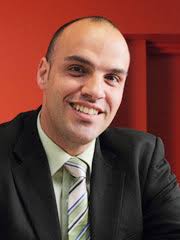
Professor Adam Guastella is a clinical psychologist, the Michael Crouch Chair in Child and Youth Mental Health, and head of the Clinic for Autism and Neurodevelopmental Research at the University of Sydney's Brain and Mind Centre. His research encompasses all stages of development, from young infants through to late adulthood, across a range of neurodiverse and mental health conditions, such as autism, anxiety, psychosis, and substance dependence.
Professor Guastella has an established track record in human translational neuroscience, using neuroscience to inform and develop novel treatments for young patients with mental health problems. His team was the first in the world to show that a medication could be used as a treatment for social challenges in young children with autism, and his program of research now incorporates multi-site trials across Europe, Asia and Australia.
Professor Adam Guastella is a clinical psychologist, the Michael Crouch Chair in Child and Youth Mental Health, and head of the Clinic for Autism and Neurodevelopmental Research at the University of Sydney's Brain and Mind Centre. His research encompasses all stages of development, from young infants through to late adulthood, across a range of neurodiverse and mental health conditions, such as autism, anxiety, psychosis, and substance dependence.
Professor Guastella has an established track record in human translational neuroscience, using neuroscience to inform and develop novel treatments for young patients with mental health problems. His team was the first in the world to show that a medication could be used as a treatment for social challenges in young children with autism, and his program of research now incorporates multi-site trials across Europe, Asia and Australia.
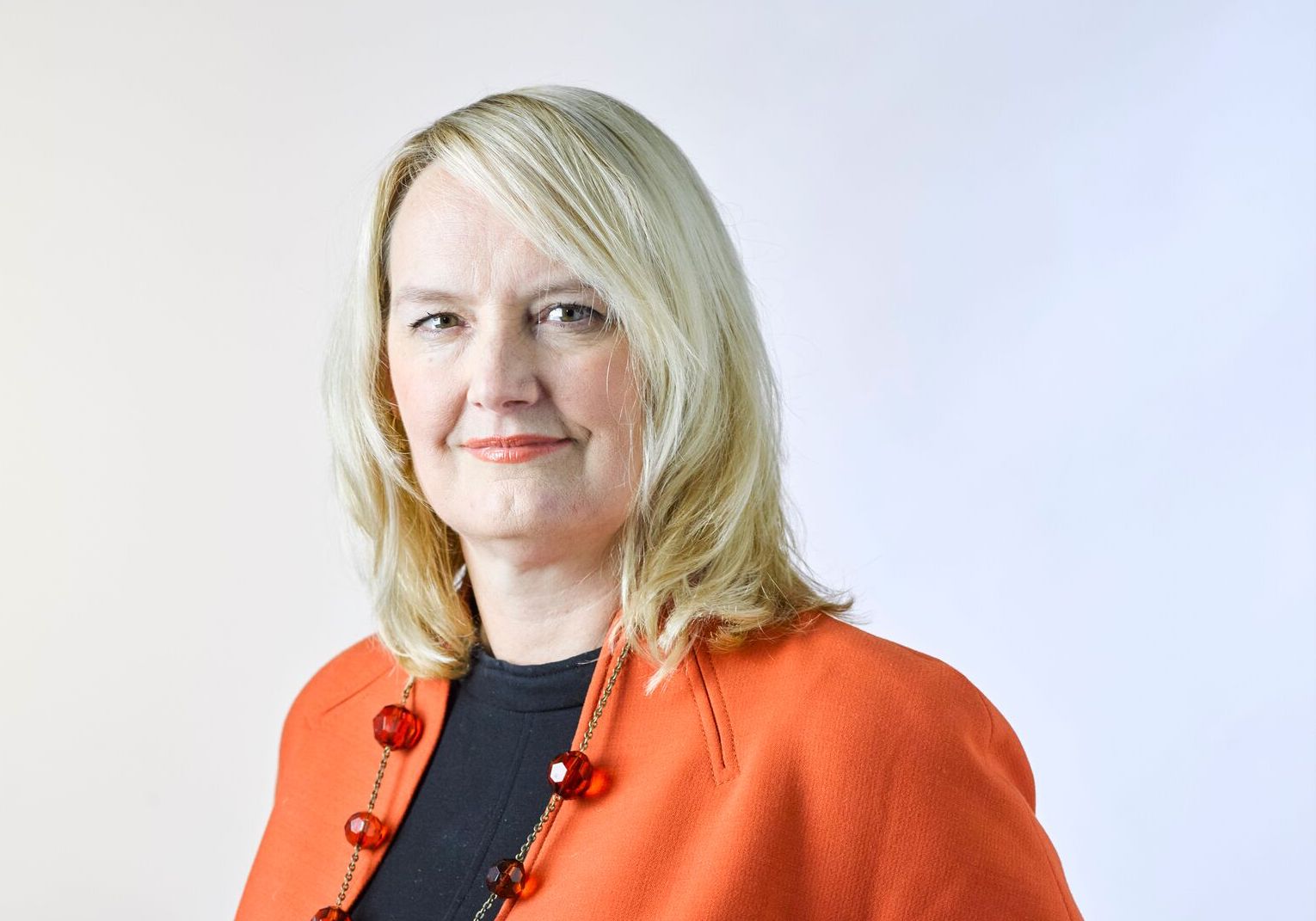
Professor Helena Teede MBBS FRACP FAAHMS FRANZCOG FRCOG PhD AM is a clinician academic and reproductive endocrinologist at Monash University in Australia. She holds an NHMRC Investigator Fellowship in women’s health. She is Director Monash Centre for Health Research and Implementation and leads the Centre for Research Excellence for Women’s Health in Reproductive Life.
She has over 800 publications, is a High Cite researcher and has $124M in career grant funding, mostly as lead investigator. She is President of the International Society of Endocrinology. Her research program focuses on women’s reproductive and metabolic health including PCOS, where she leads international guidelines. She also has research and training programs in women in leadership and in large scale health system change.
Professor Helena Teede MBBS FRACP FAAHMS FRANZCOG FRCOG PhD AM is a clinician academic and reproductive endocrinologist at Monash University in Australia. She holds an NHMRC Investigator Fellowship in women’s health. She is Director Monash Centre for Health Research and Implementation and leads the Centre for Research Excellence for Women’s Health in Reproductive Life.
She has over 800 publications, is a High Cite researcher and has $124M in career grant funding, mostly as lead investigator. She is President of the International Society of Endocrinology. Her research program focuses on women’s reproductive and metabolic health including PCOS, where she leads international guidelines. She also has research and training programs in women in leadership and in large scale health system change.
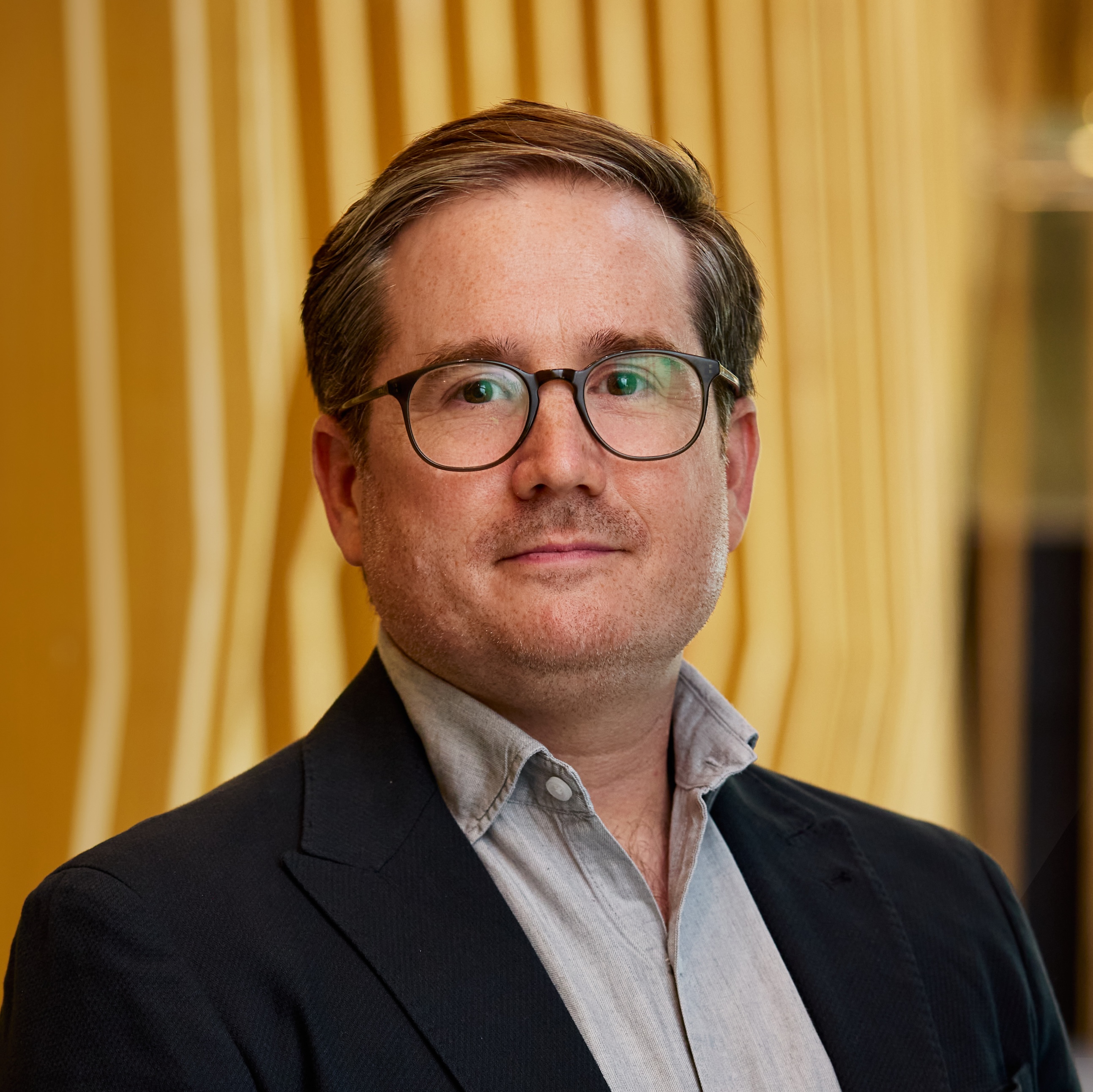
Dominic Dwyer is the Head of Clinical AI at Orygen and an Associate Professor at the University of Melbourne (Medicine) and Monash University (Computer Science). His mission is to safely augment clinical care for all young Australians by 2030. This mission started in 2014 in Europe before coming to Australia and expanding into three connected activities: 1) research into AI for mental health; 2) building human-centered AI products to use in care; 3) building software products and services to safely translate research into care.
His work has been supported by over $40M AUD in direct and indirect research funding across Australia, Europe, and the USA. It has resulted in more than 100 peer-reviewed publications with 7,000+ citations. Dom currently directs Australia’s flagship National Critical Research Infrastructure for AI in Youth Mental Health, which is a $3M initiative to support the safe translation of AI to care. He has also led global AI training initiatives for researchers since 2016 and will launch an online learning micro-certificate for clinicians in 2026.
Dominic Dwyer is the Head of Clinical AI at Orygen and an Associate Professor at the University of Melbourne (Medicine) and Monash University (Computer Science). His mission is to safely augment clinical care for all young Australians by 2030. This mission started in 2014 in Europe before coming to Australia and expanding into three connected activities: 1) research into AI for mental health; 2) building human-centered AI products to use in care; 3) building software products and services to safely translate research into care.
His work has been supported by over $40M AUD in direct and indirect research funding across Australia, Europe, and the USA. It has resulted in more than 100 peer-reviewed publications with 7,000+ citations. Dom currently directs Australia’s flagship National Critical Research Infrastructure for AI in Youth Mental Health, which is a $3M initiative to support the safe translation of AI to care. He has also led global AI training initiatives for researchers since 2016 and will launch an online learning micro-certificate for clinicians in 2026.
Hosted by the AEDTRC, this two-day conference brings together leading researchers, clinicians, and lived experience experts to explore the latest findings, innovative treatments, and collaborative approaches aimed at improving outcomes for individuals affected by eating disorders.
Think Tank 2026 is designed to promote critical dialogue and drive meaningful progress with interactive think tank discussions and engaging panel sessions. Topics will include prevention and intervention strategies, biological underpinnings of binge eating disorder, methodology in eating disorder research, and much more.
Registration for Think Tank 2026 includes two days of program, networking drinks and canapes on day one, and networking opportunities to engage with leading researchers in the field of eating disorders.
All prices are in AUD and includes GST.
Single day passes are not available for this year's program.
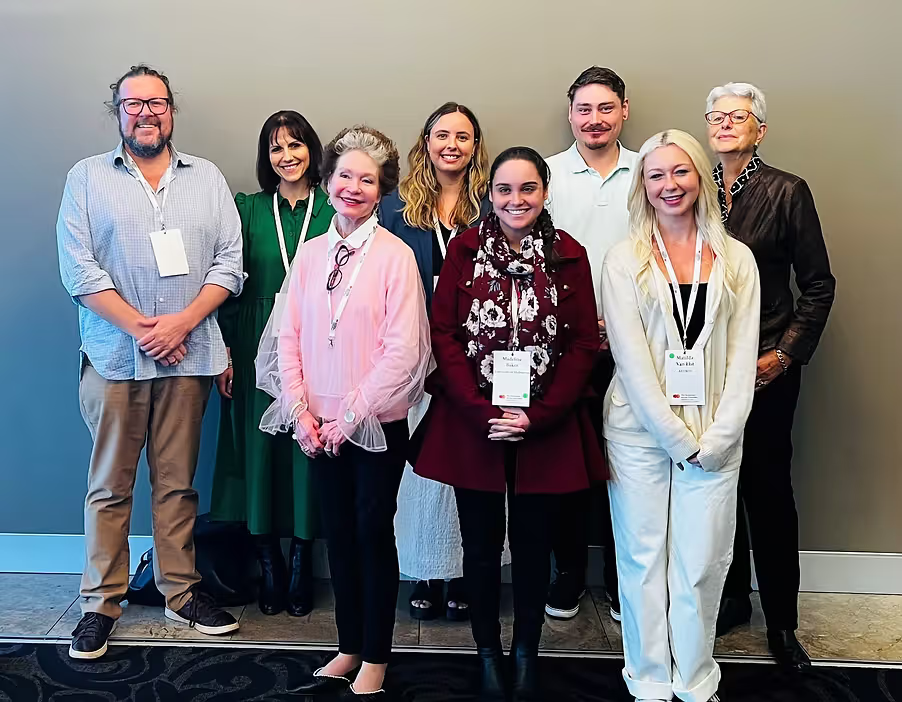
Submit your abstract to showcase your research, insights, and expertise at the AEDRTC Think Tank 2026. Share your knowledge with a diverse audience of peers and experts.
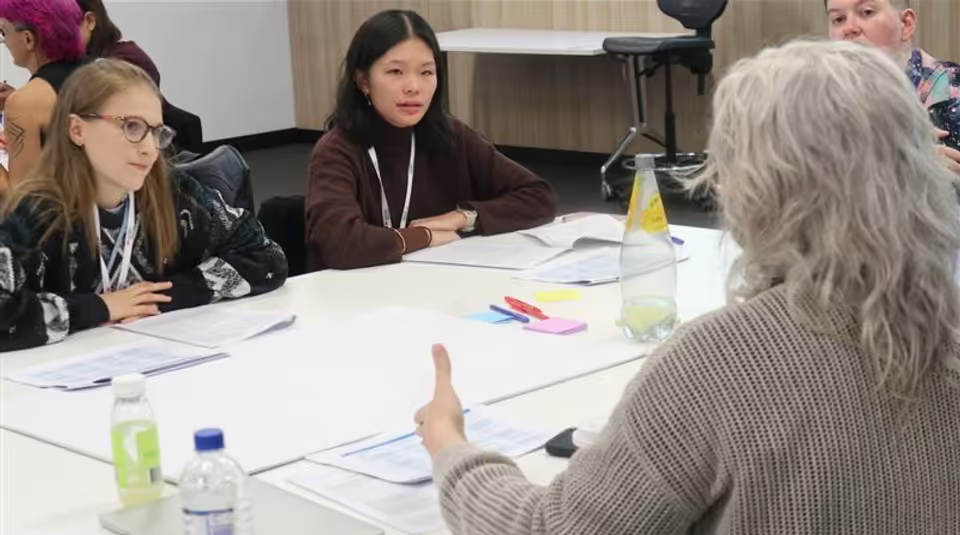
Are you an Early or Mid-Career Researcher passionate about driving change in eating disorder research? We’ve got exciting news.
We are offering a total of $10,000 in Travel Bursaries (up to $1000 each) to support EMCRs attending Think Tank 2026, taking place in Melbourne, Victoria at Encore St Kilda on Thursday 12 and Friday 13 November 2026.
We welcome applications from all EMCRs, including:
Think Tank 2026 will be hosted at Encore St Kilda in Melbourne, Victoria. Located overlooking Melbourne's Port Philip Bay, delegates will enjoy the central St Kilda location and stunning aspect of Think Tank 2026 venue.
Think Tank 2026 delegates can access 10% off the best available unrestricted rate at Novotel St Kilda, subject to availability. Delegates can book using the dedicated booking link or visit the Accor website and enter promo code below when booking Novotel Saint Kilda Beach.
A credit card is required to guarantee the booking, and reservations are subject to a 7-day cancellation policy. Please note, conference organisers take no responsibility for delegate bookings via the hotel provider and all terms and conditions for bookings are at the discretion of the hotel. Any bookings or requests are to be made directly with the hotel

Reach out to us for any enquiries, abstract submissions or event details. We are here to assist you and ensure your participation in the AEDRTC Think Tank 2026 is seamless and enriching.