23 November 2026
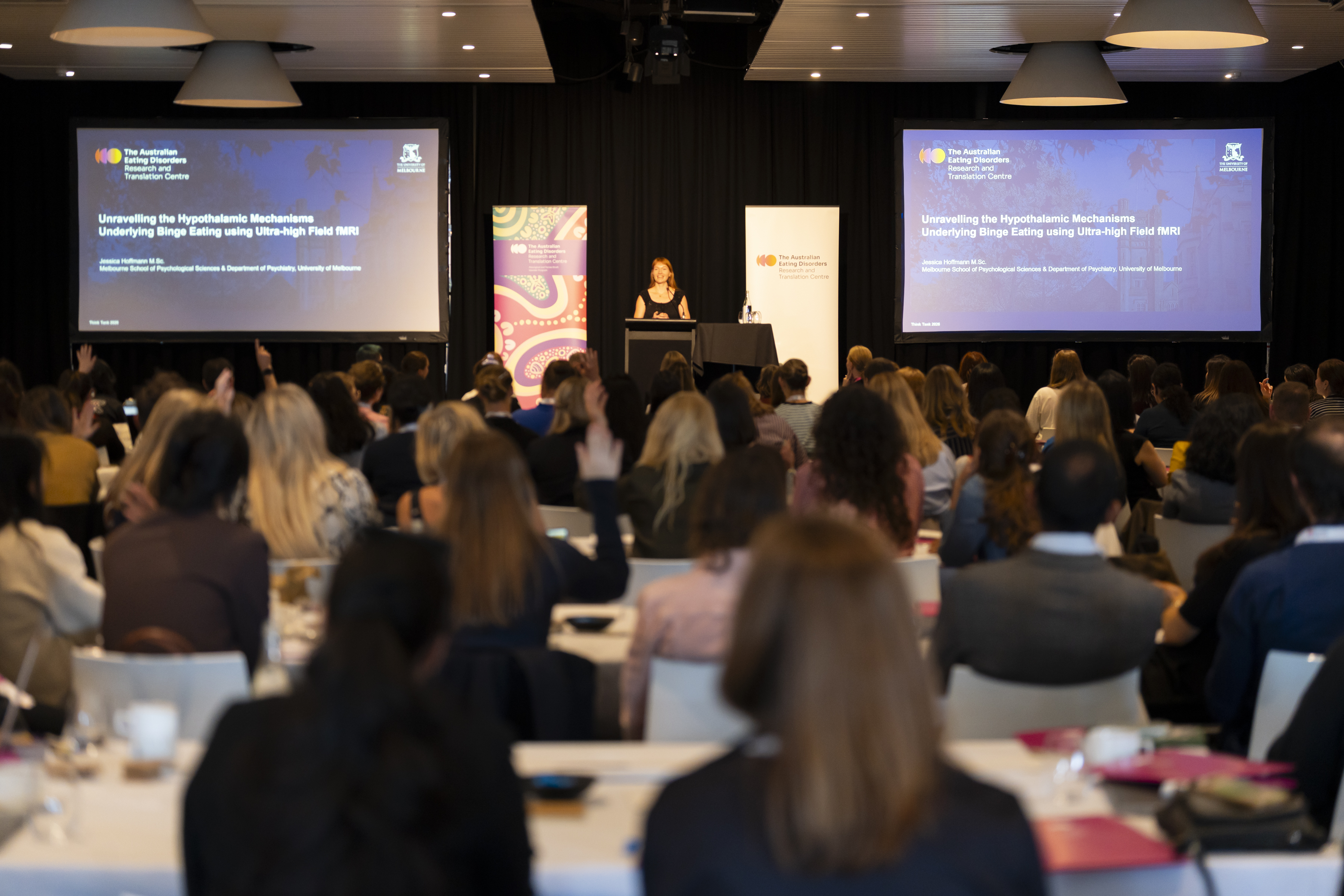
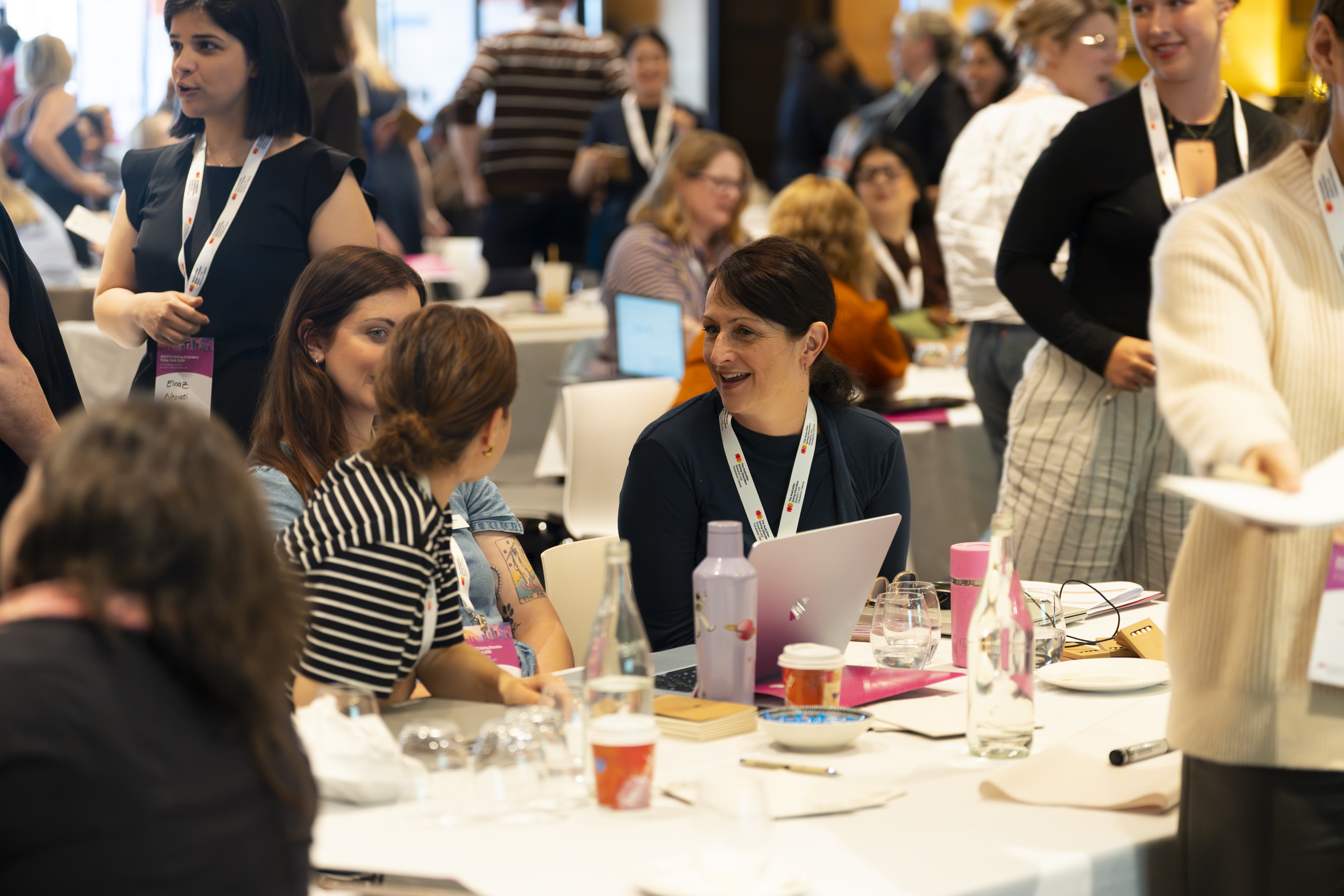
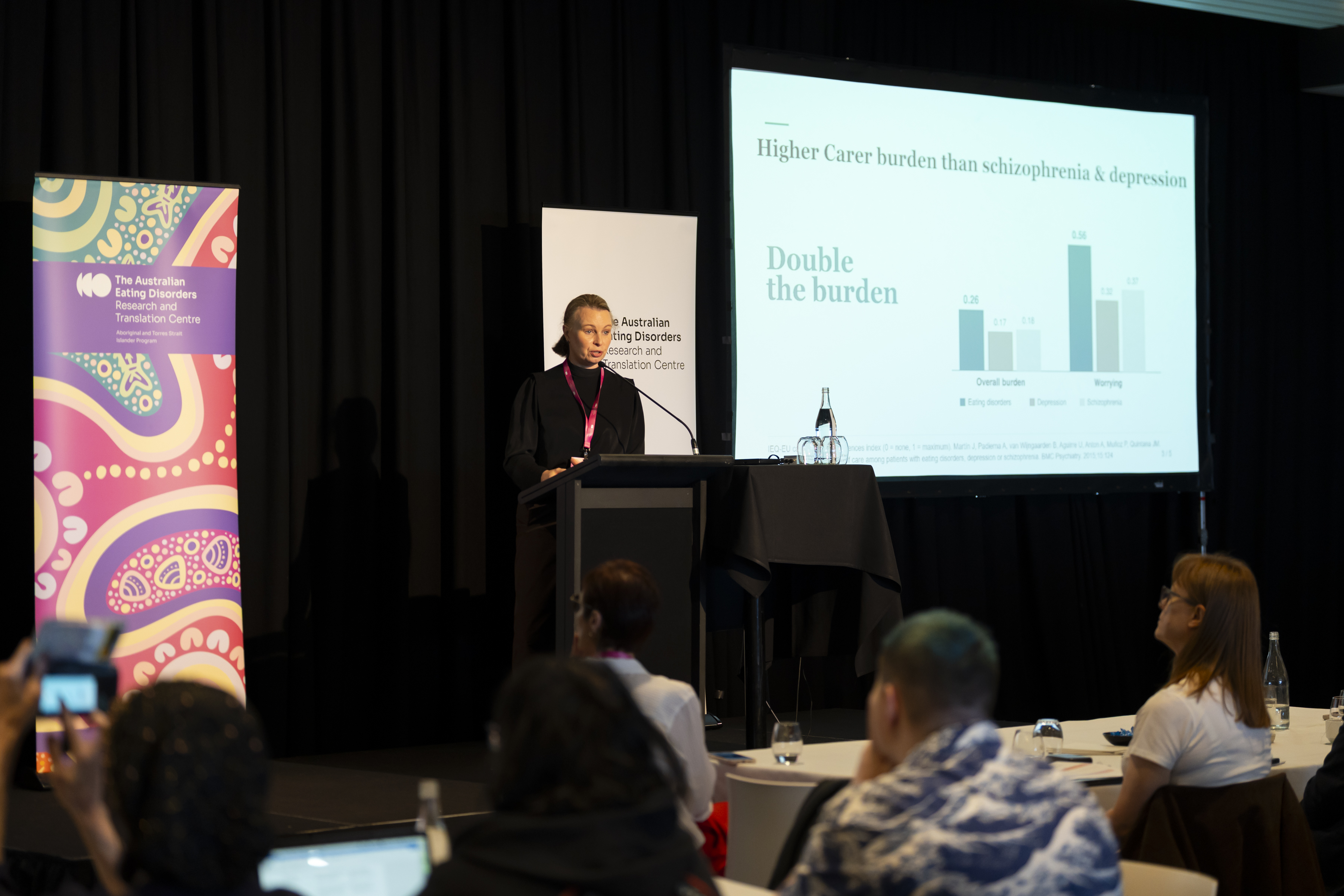
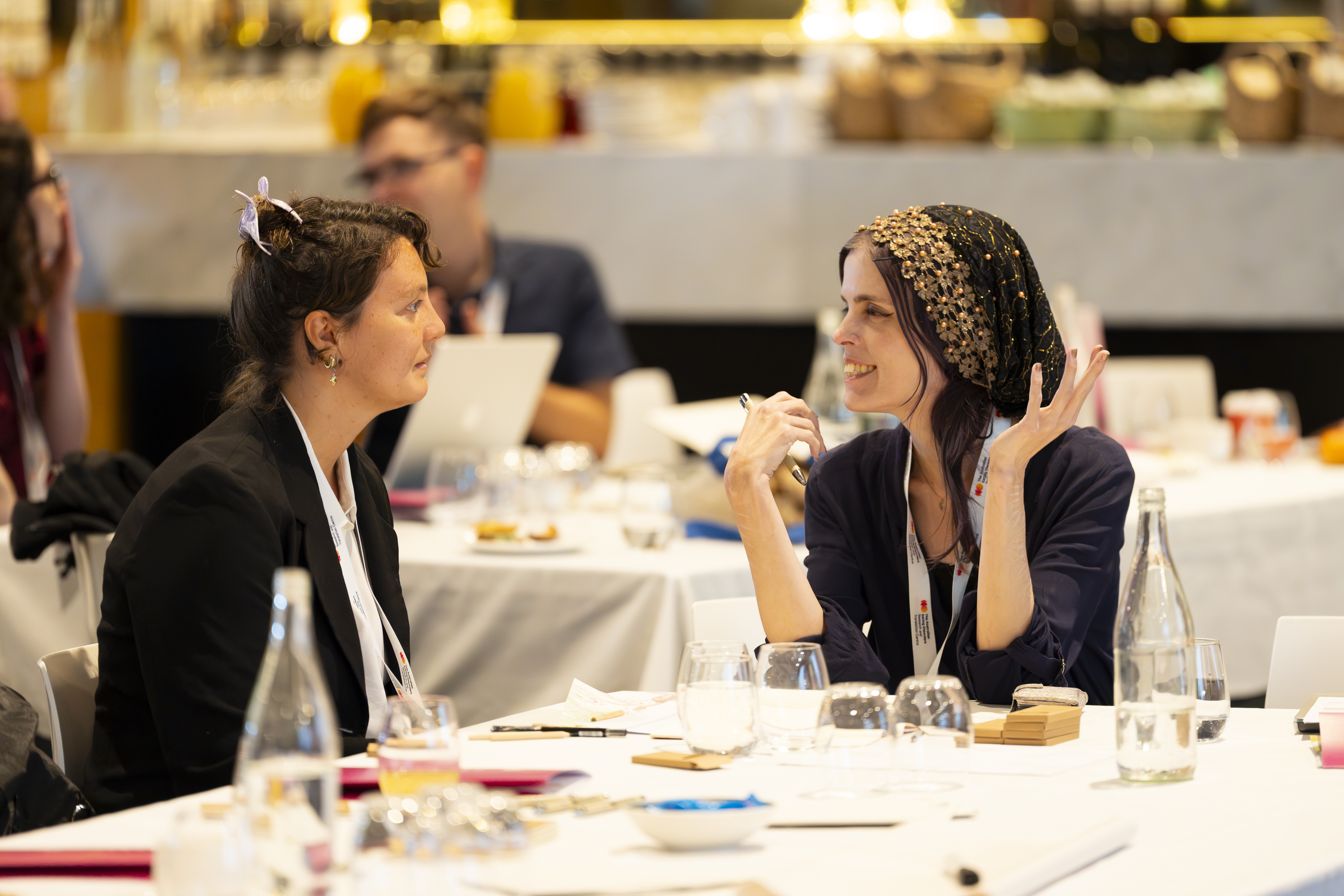
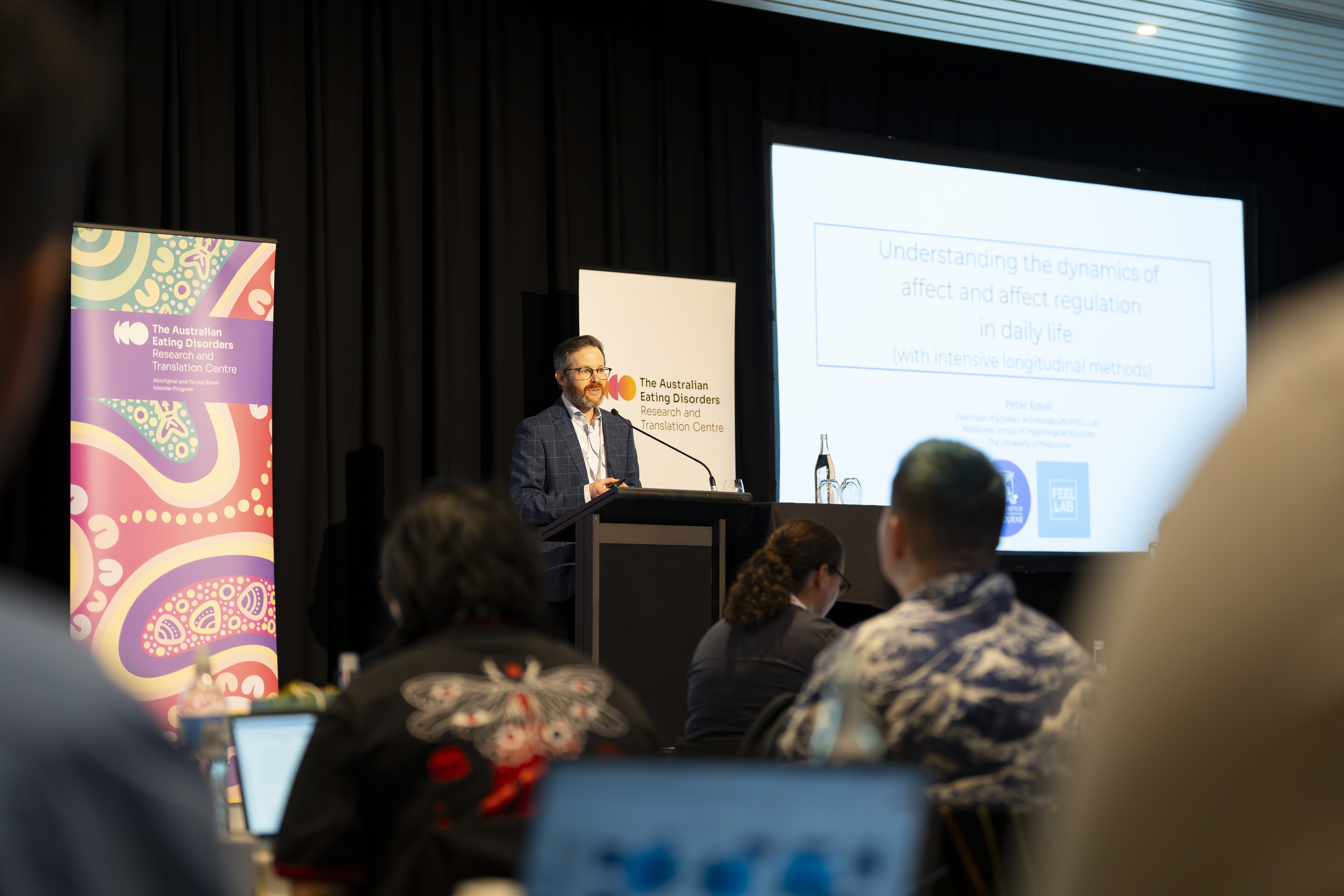
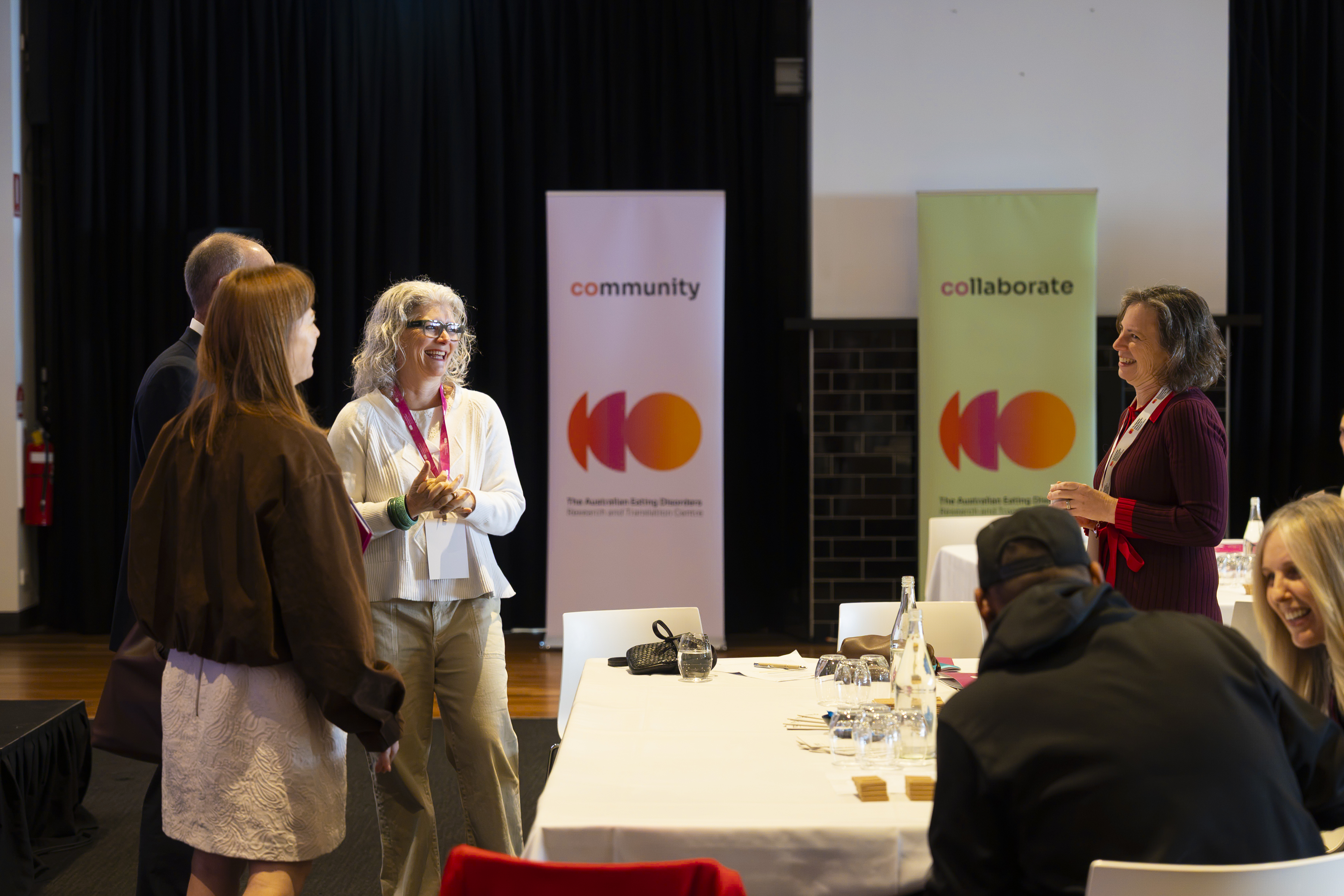
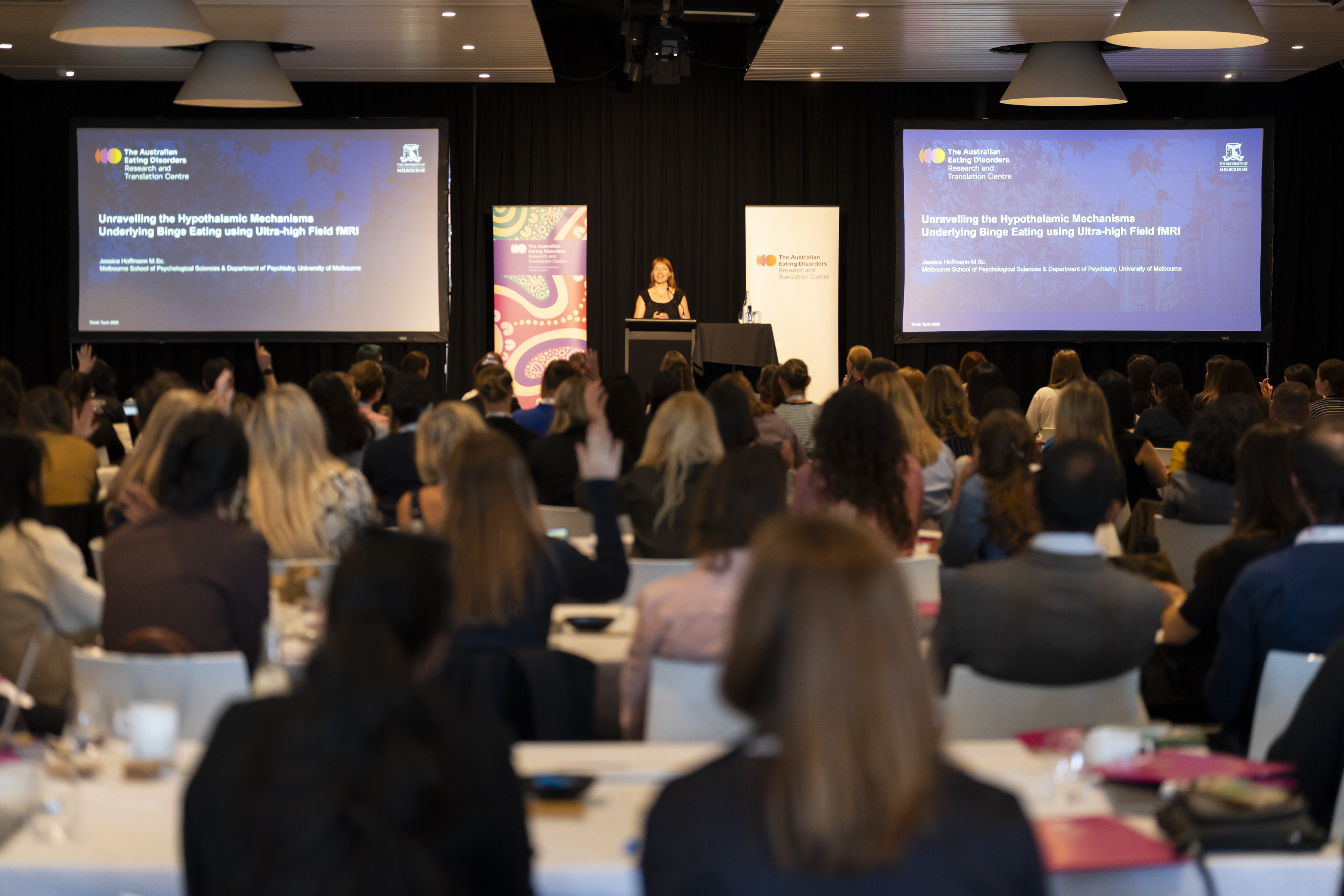
The 2 day event explored emerging research, new approaches to care and how collaboration can help turn evidence into meaningful improvements for people affected by eating disorders.
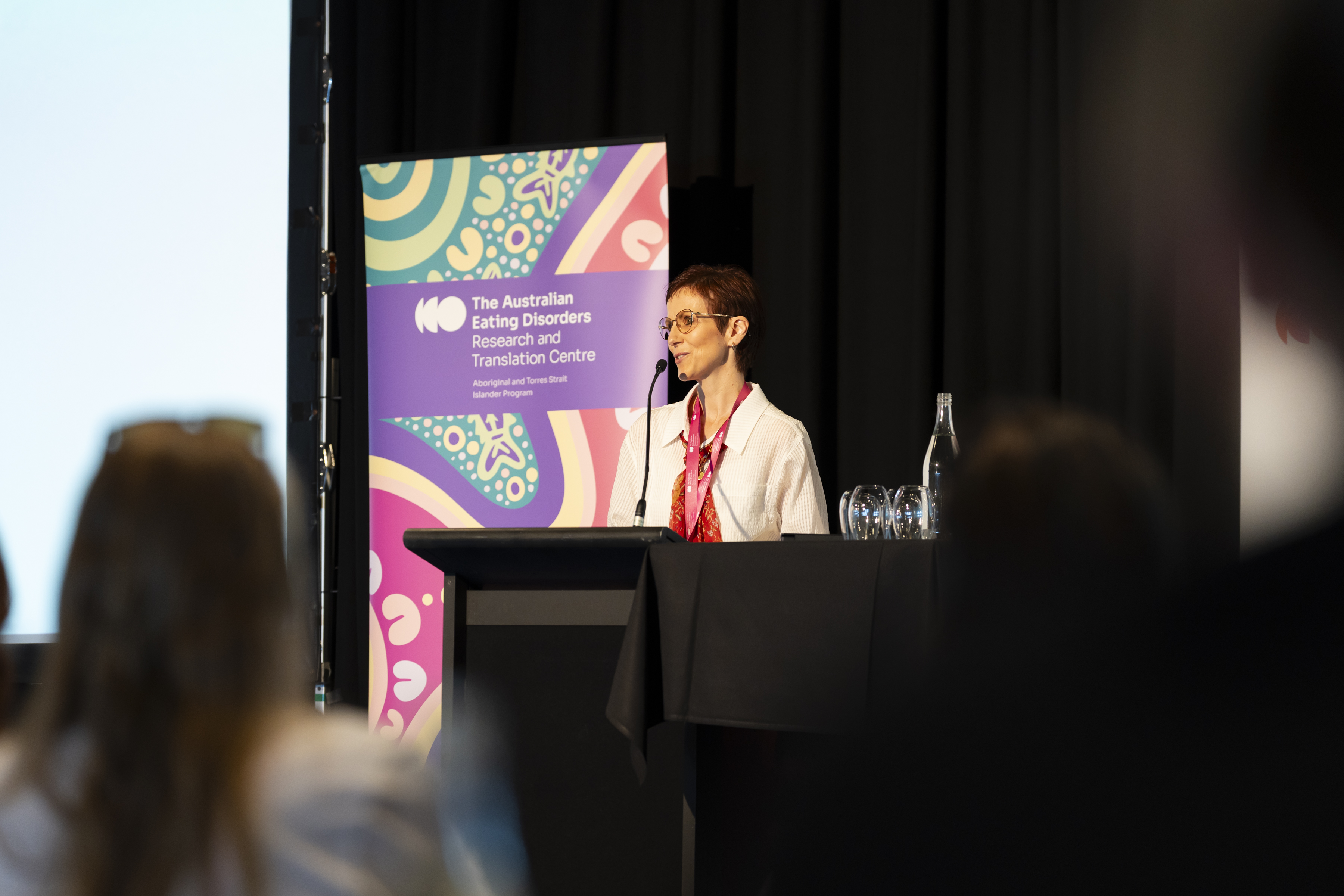
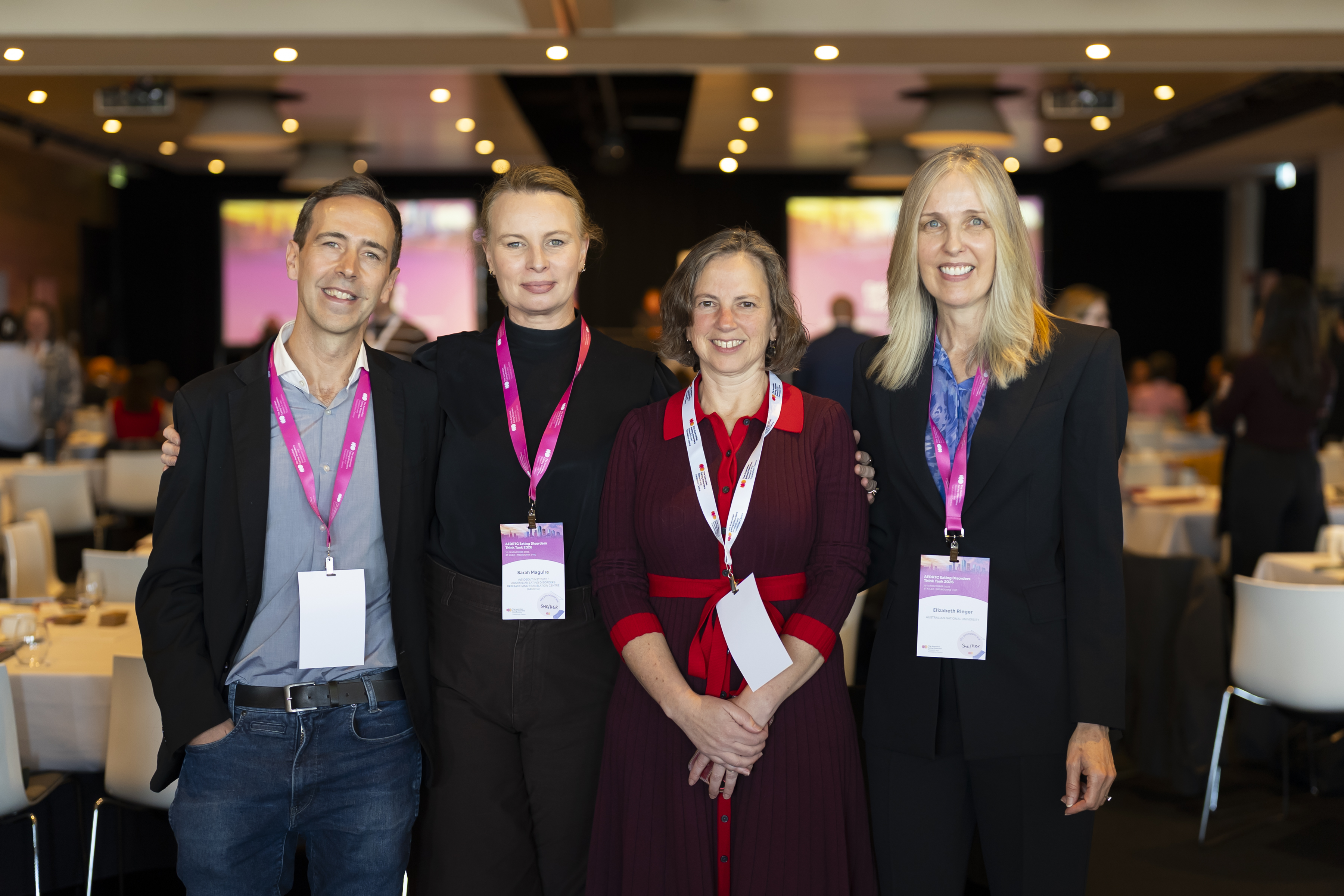
The program opened with a Welcome to Country from Uncle James Brown of Bunurong Land Council, followed by addresses from the Hon Emma McBride MP, David Laffan and AEDRTC Director Professor Sarah Maguire.
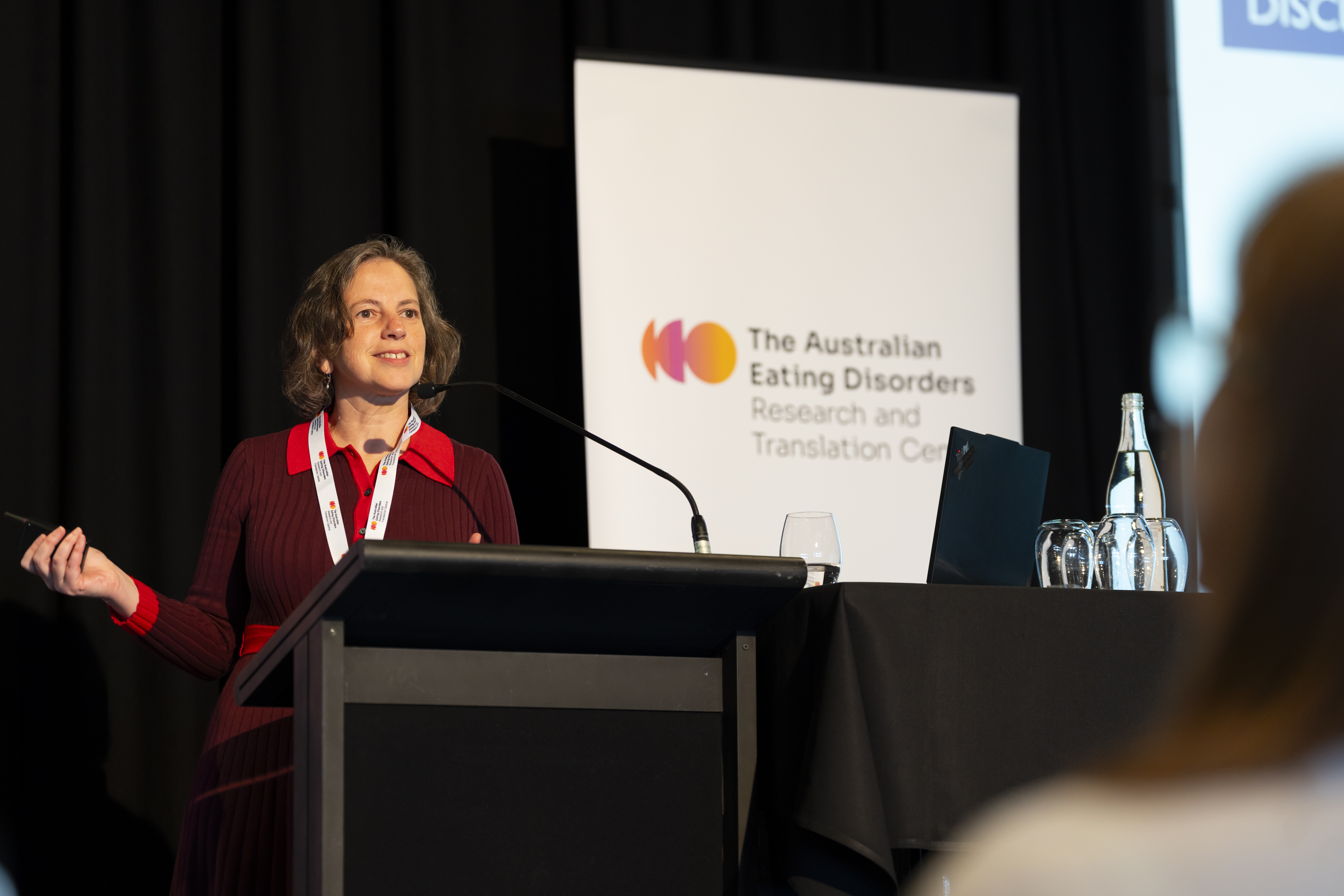
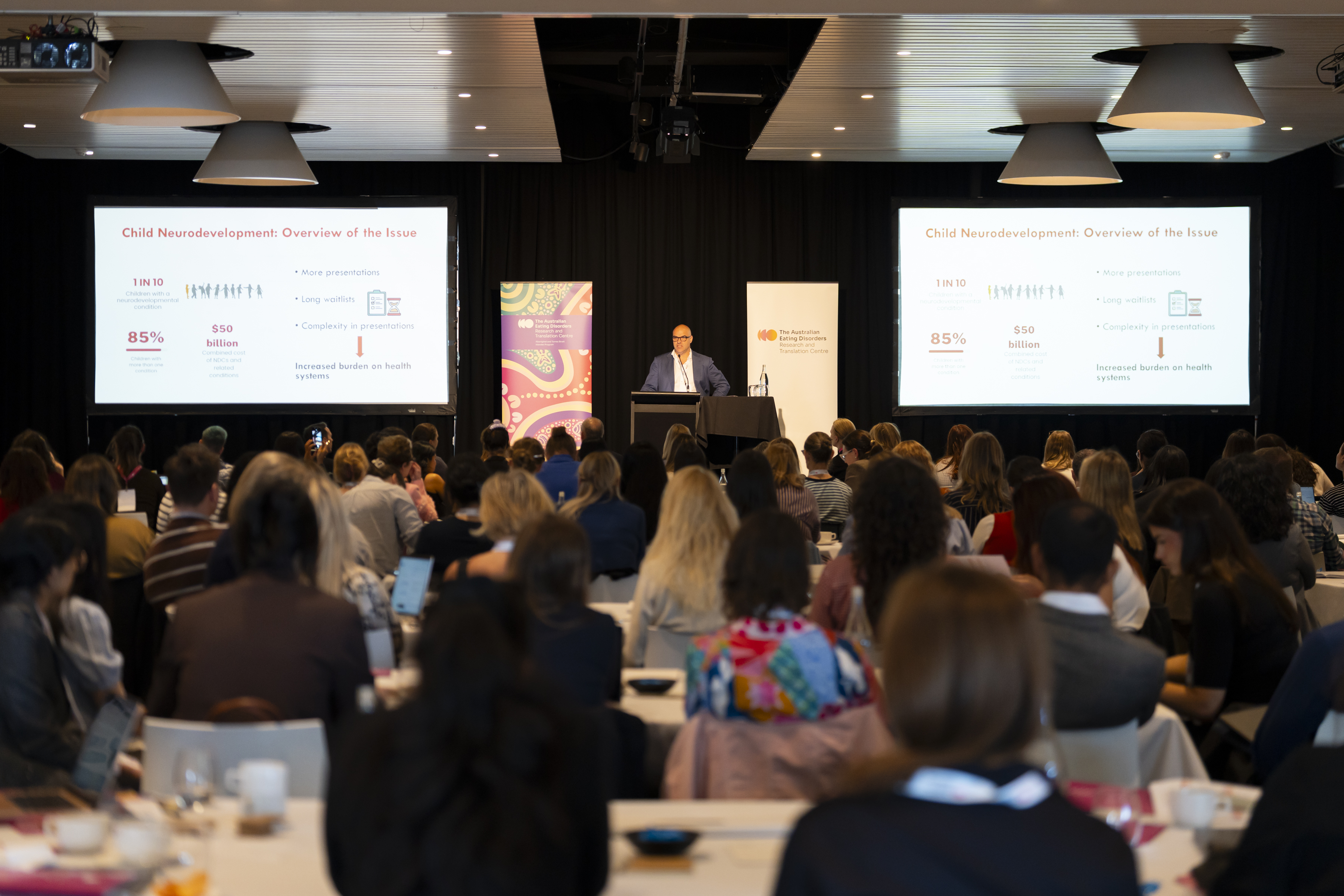
International keynote Professor Joanna Steinglass explored how neuroscience can help us better understand anorexia nervosa, including the role of habitual behaviours in restrictive eating and opportunities for new treatments.
Sessions throughout the first day looked at the relationship between emotions and eating disorder behaviours, emotion regulation, and how research can support more personalised and equitable care.
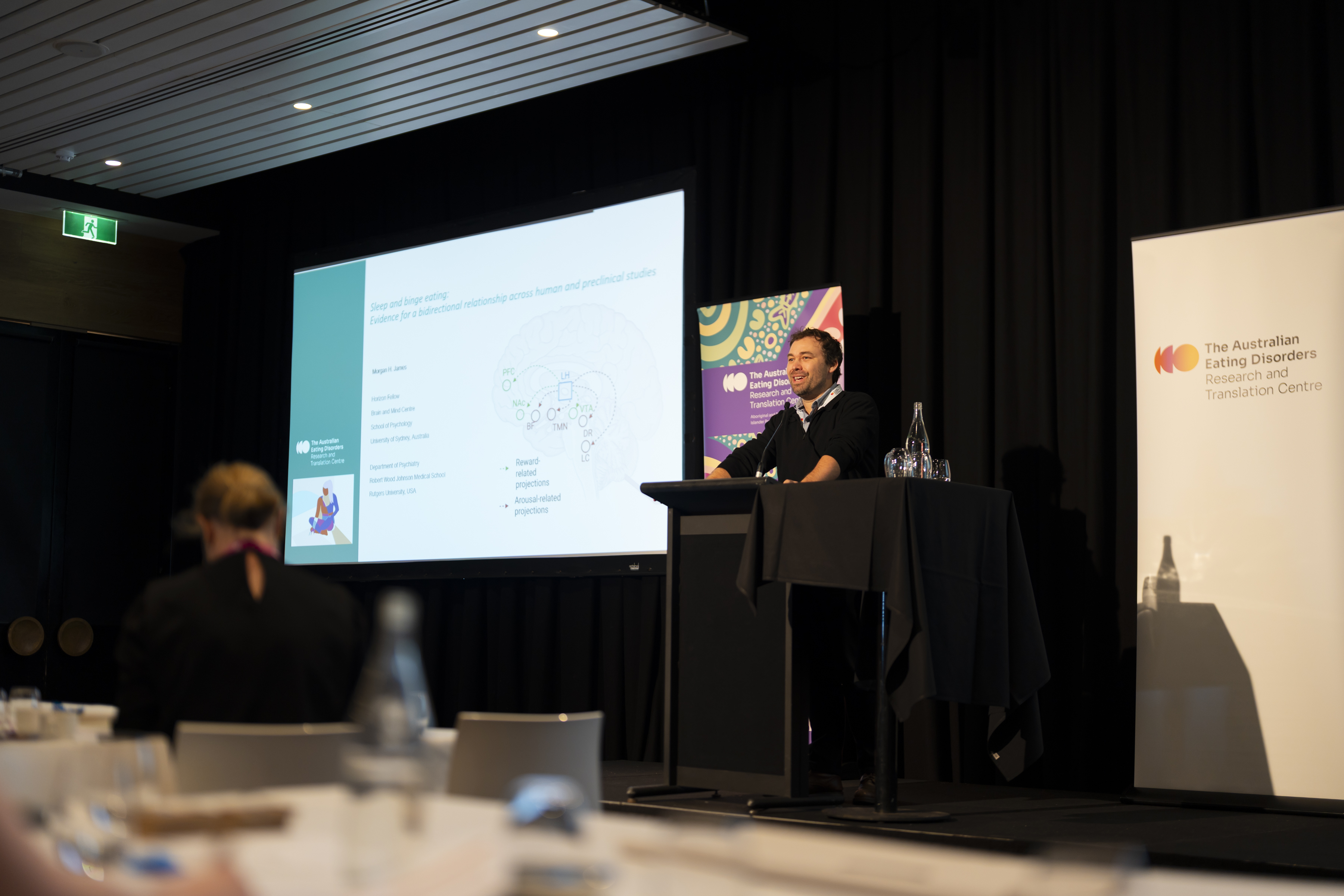
Rapid-fire presentations showcased emerging work across a range of areas, including sleep and binge eating, brain connectivity, defining recovery from anorexia nervosa, and the potential role of nature exposure in reducing body dissatisfaction. Presentations also explored new models of support for binge eating and the importance of belonging, kinship, Country and food sovereignty in Aboriginal-led eating disorder services.
First Nations research and perspectives were an integral part of the program. Dr Cas Sedran-Price spoke about Aboriginal and Torres Strait Islander healthcare systems research, community engagement and Indigenous Data Sovereignty. Dr Bronwyn Raykos and Mandi Kelly also shared work co-designing an eating disorder screening tool for Aboriginal and Torres Strait Islander young people in remote Western Australia.
An interactive session on Indigenous Data Sovereignty in Practice continued the conversation about how research can be shaped by, and accountable to, the communities it aims to serve.
Day two began with a practical session on co-production, facilitated by Professor Genevieve Pepin, Shannon Calvert and Dr Sanna Barrand. The discussion explored what meaningful collaboration with people with lived and living experience looks like in practice, including sharing decision-making and being clear about what can genuinely be influenced.
As Shannon Calvert highlighted, involving people with lived and living experience, families, carers and kin can help researchers ask better questions and ensure the changes being measured matter in people's everyday lives.
Keynote Professor Helena Teede AM challenged attendees to look beyond traditional healthcare silos through the concept of Learning Health Systems, highlighting the importance of consumer and community evidence and partnership in driving meaningful systems change.
Further rapid-fire presentations examined the intersections between eating disorders and other experiences and challenges, including disinformation targeting transgender and gender diverse communities, food insecurity, and clinical obesity.
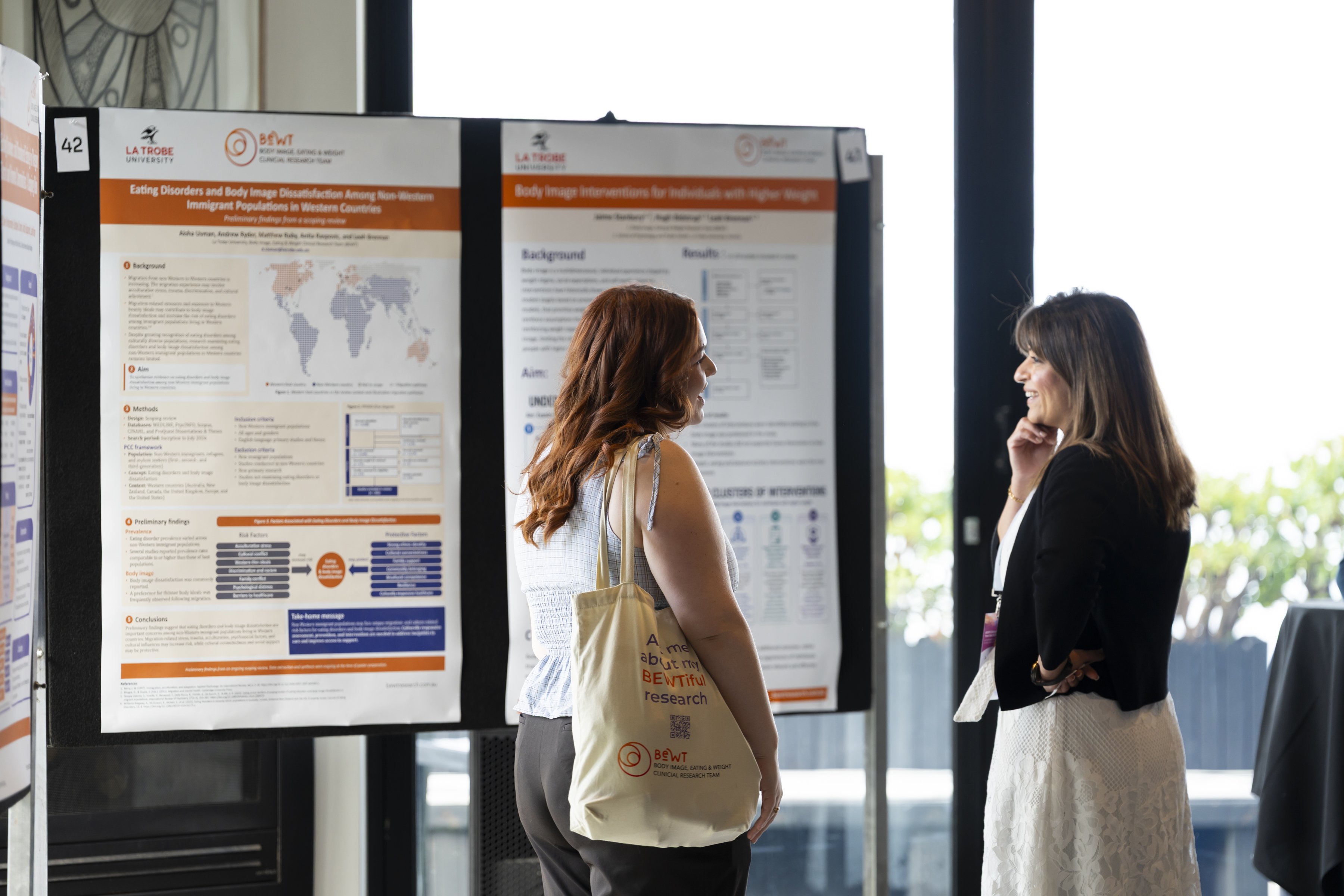
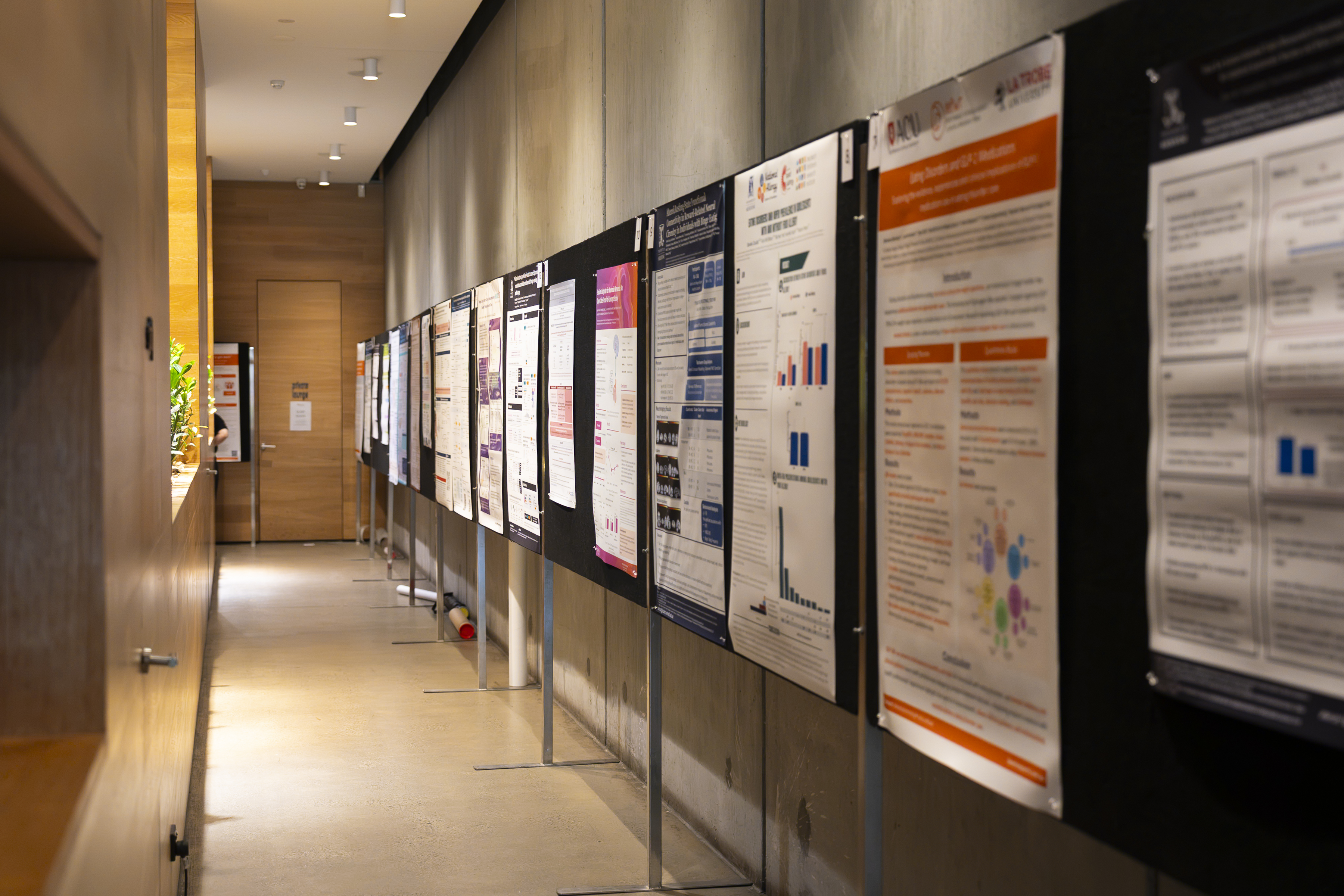
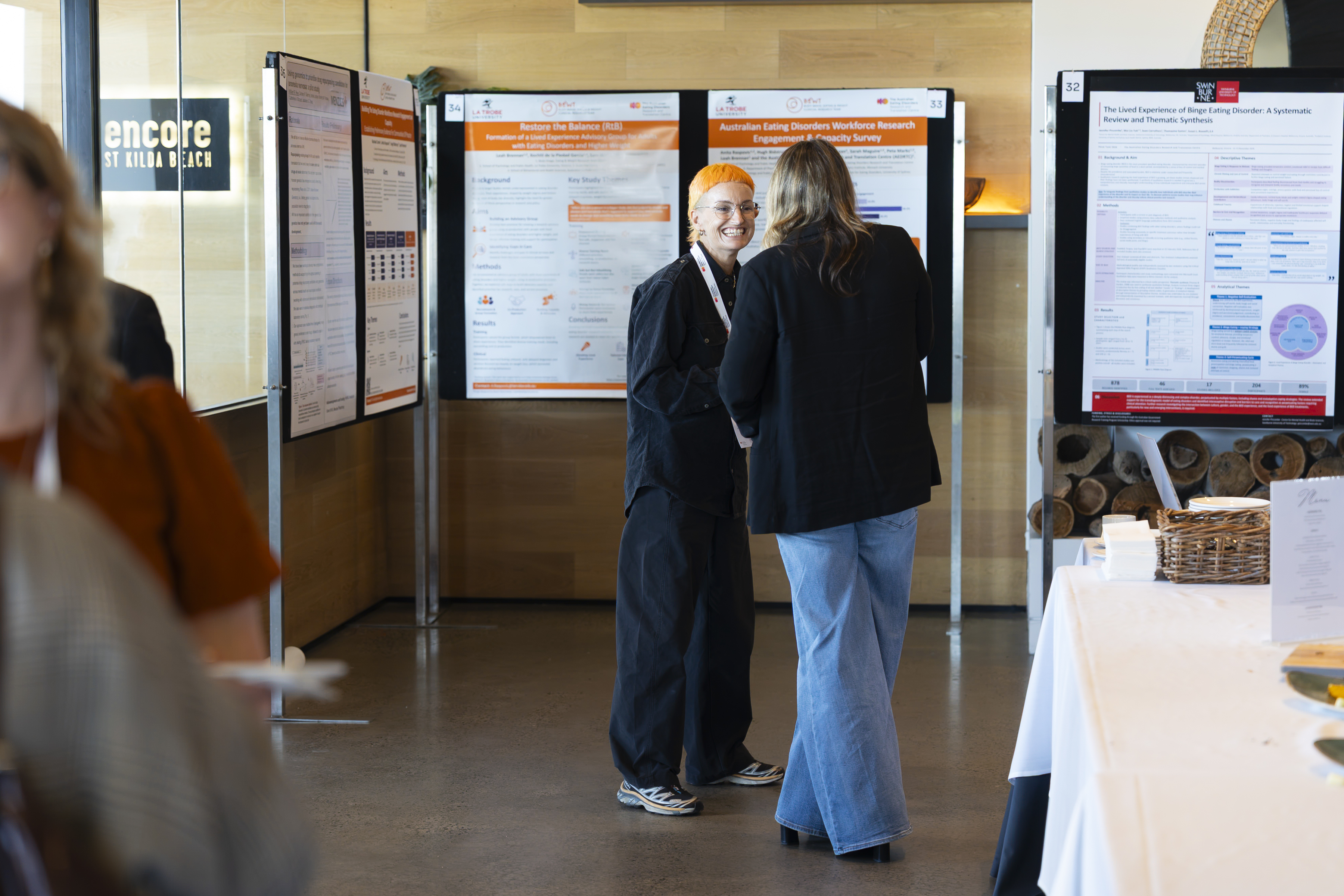
The poster presentations also showcased a broad range of work, including spanning neuro-affirming care, autism and ADHD, ARFID, body image, new treatment approaches and the use of machine learning in eating disorders research.
Associate Professor Dom Dwyer explored the growing role of artificial intelligence in mental health, prompting discussion about what these developments could mean for eating disorders research and care.
Think Tank 2026 wrapped up with a lively Great Debate on whether artificial intelligence should one day take a lead role in the care of people with eating disorders. The debate brought together different perspectives and plenty of audience engagement, while reinforcing the importance of keeping people at the centre of care.
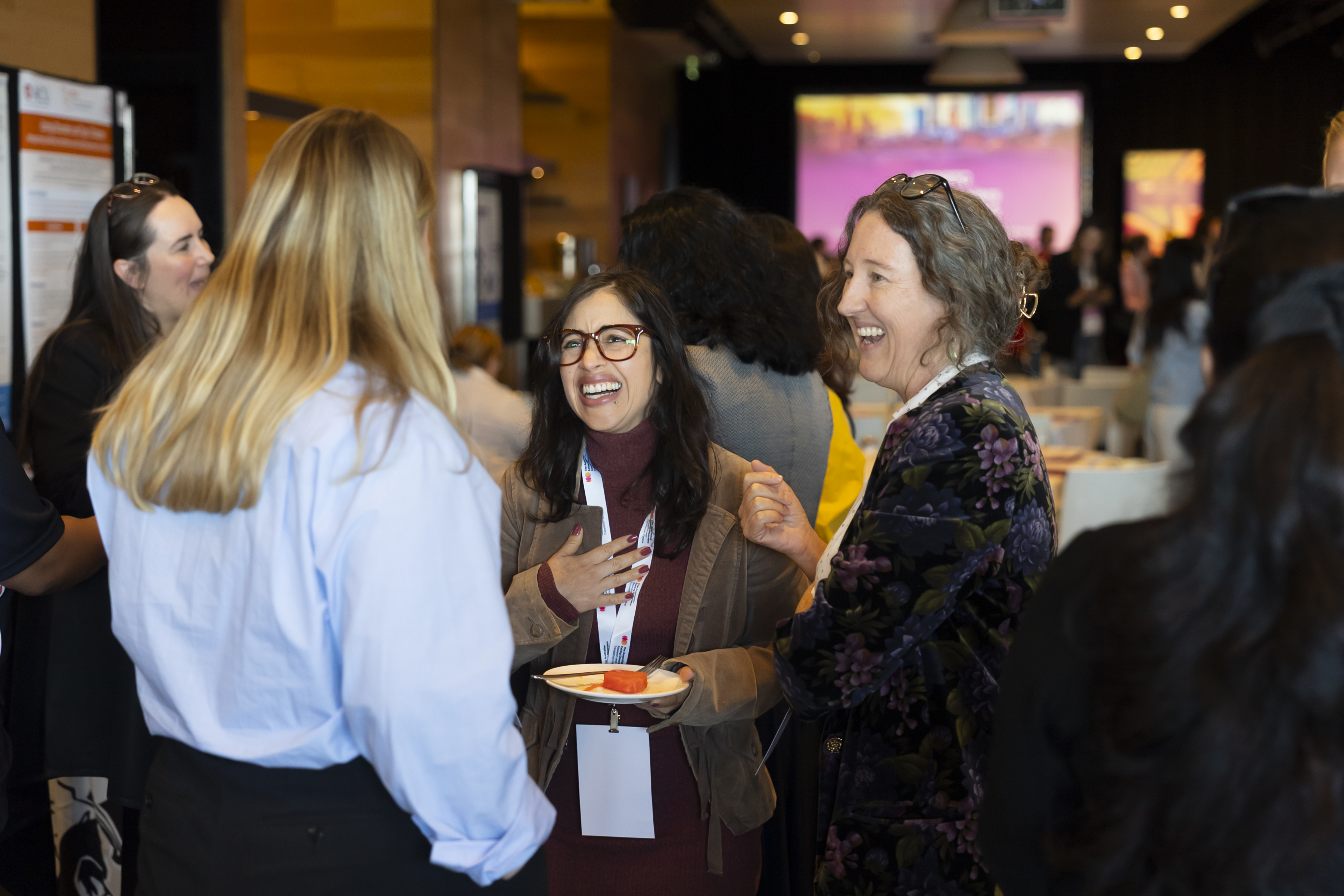
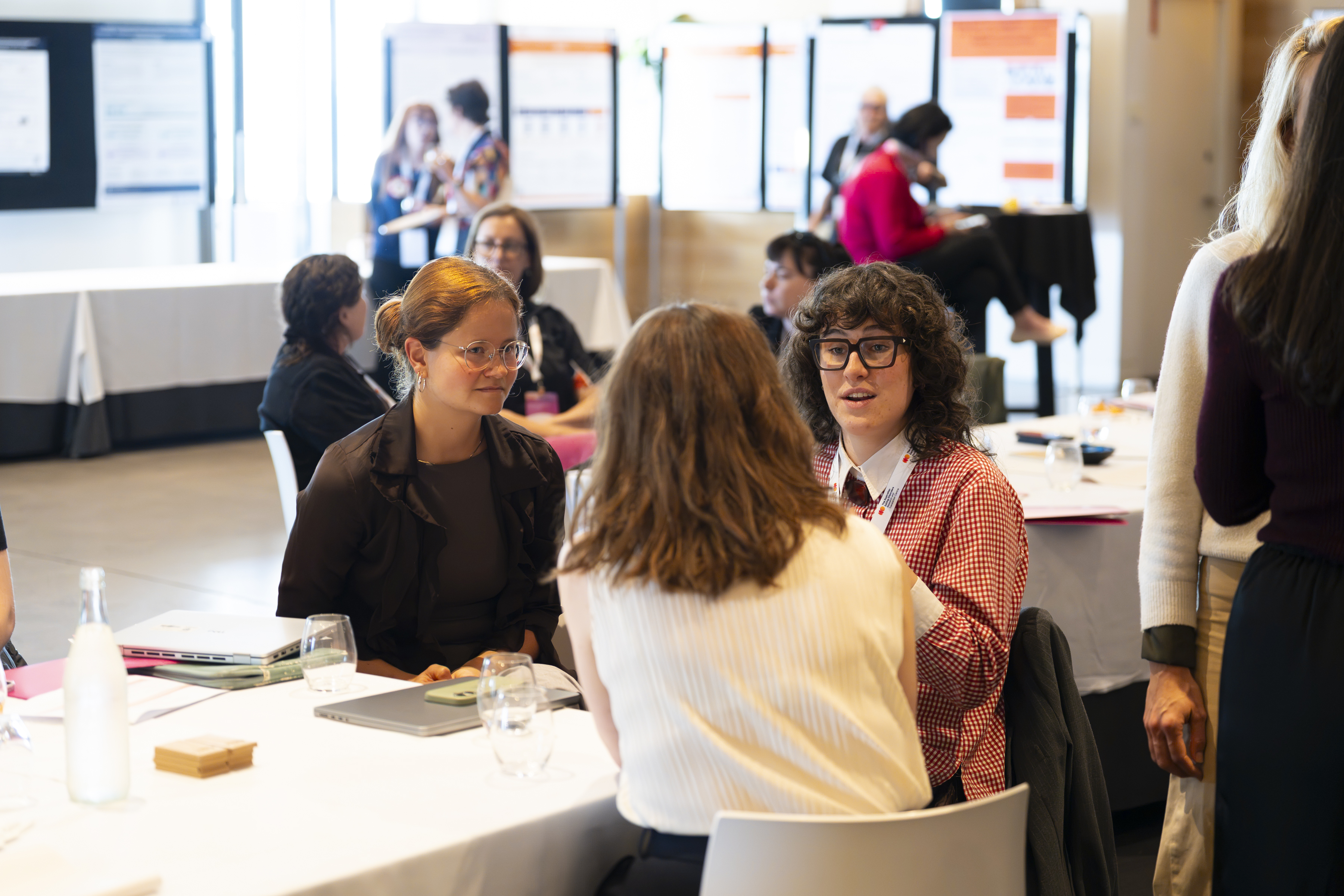
Across two days, Think Tank 2026 created space to share new findings, challenge ideas and build connections across research, clinical practice and lived experience.
Thank you to all our speakers, presenters, attendees and collaborators for contributing to the conversations and helping advance eating disorders research and care.